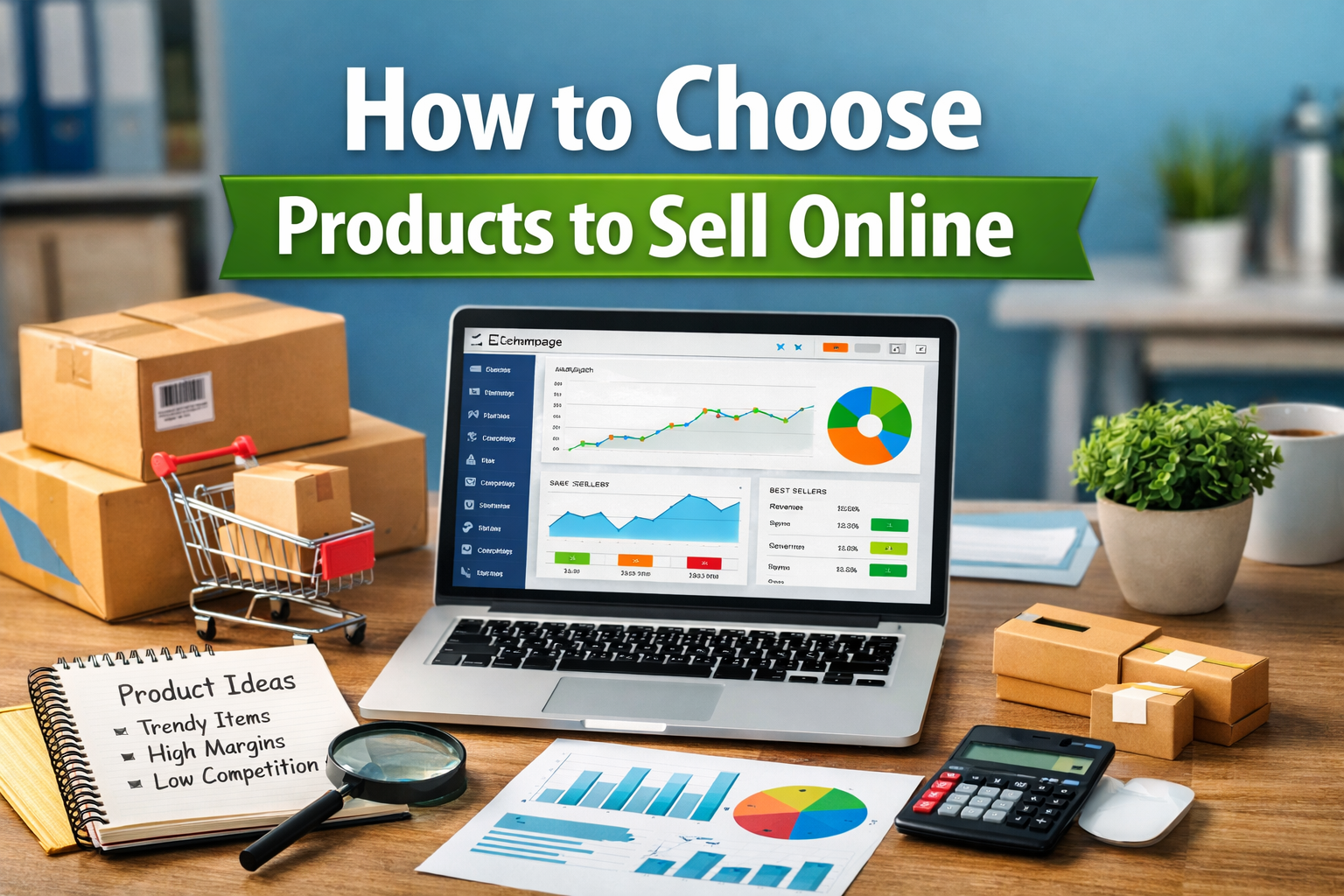

Starting an online business can feel overwhelming, especially when you’re trying to decide what products to sell. Many beginners jump into e-commerce with excitement, only to realize later that the product they chose has little demand or too much competition.
The truth is that choosing the right product is one of the most important decisions in e-commerce. A strong product can practically sell itself, while the wrong product can make even the best marketing strategy fail.
In this complete guide, you’ll learn how to choose products to sell online, how to evaluate product demand, and how to find profitable product ideas that can grow into a successful ecommerce business.
Why Choosing the Right Product Matters
Your product determines almost everything about your online business. It affects your marketing strategy, your target audience, and your long-term profitability.
When you choose the right product, several things happen:
-
Customers are already searching for it.
-
Marketing becomes easier.
-
Your store gains traction faster.
-
Sales grow more consistently.
However, if you choose the wrong product, you may face problems such as low demand, thin profit margins, or intense competition.
Successful e-commerce businesses usually start with strong product research before launching a store.
What Makes a Product Sell Well Online?
Not every product works well in e-commerce. Some products naturally perform better online because they meet certain criteria.
Here are some common traits of winning ecommerce products.
Strong Market Demand
A good product solves a real problem or fulfills a desire that many people have. If customers are actively searching for the product, your chances of success increase dramatically.
Tools like Google Trends or Amazon Best Sellers can help you understand whether demand exists.
Healthy Profit Margins
A profitable product must allow room for marketing costs, shipping, and operational expenses.
Many e-commerce entrepreneurs look for products that can be sold for at least three times their cost.
For example:
-
Product cost: $10
-
Selling price: $30–$40
This margin helps support advertising and business growth.
Easy to Ship
Shipping plays a major role in e-commerce profitability. Lightweight and compact products are usually easier and cheaper to ship.
Bulky, fragile, or heavy products often create logistical challenges and higher costs.
Unique or Differentiated
If your product is identical to hundreds of other listings online, it becomes harder to stand out.
Unique products or products with a clear brand identity tend to perform better because they offer something customers can’t easily find elsewhere.
Types of Products You Can Sell Online
Before choosing a product, it’s helpful to understand the different types of products that work well in e-commerce.
Physical Products
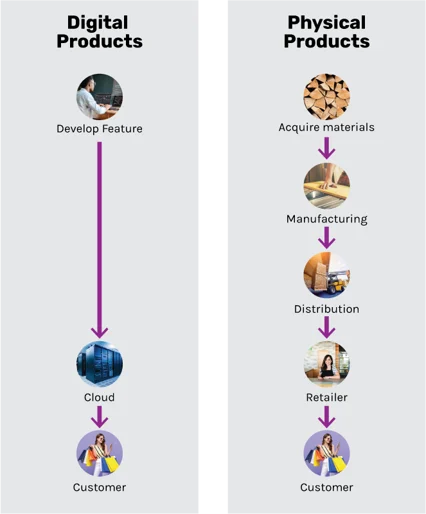
Physical goods are the most common e-commerce products. These include items like clothing, gadgets, beauty products, and home accessories.
Advantages:
-
Tangible products, customers understand
-
Large market opportunities
-
Many supplier options
However, they also require inventory management and shipping logistics.
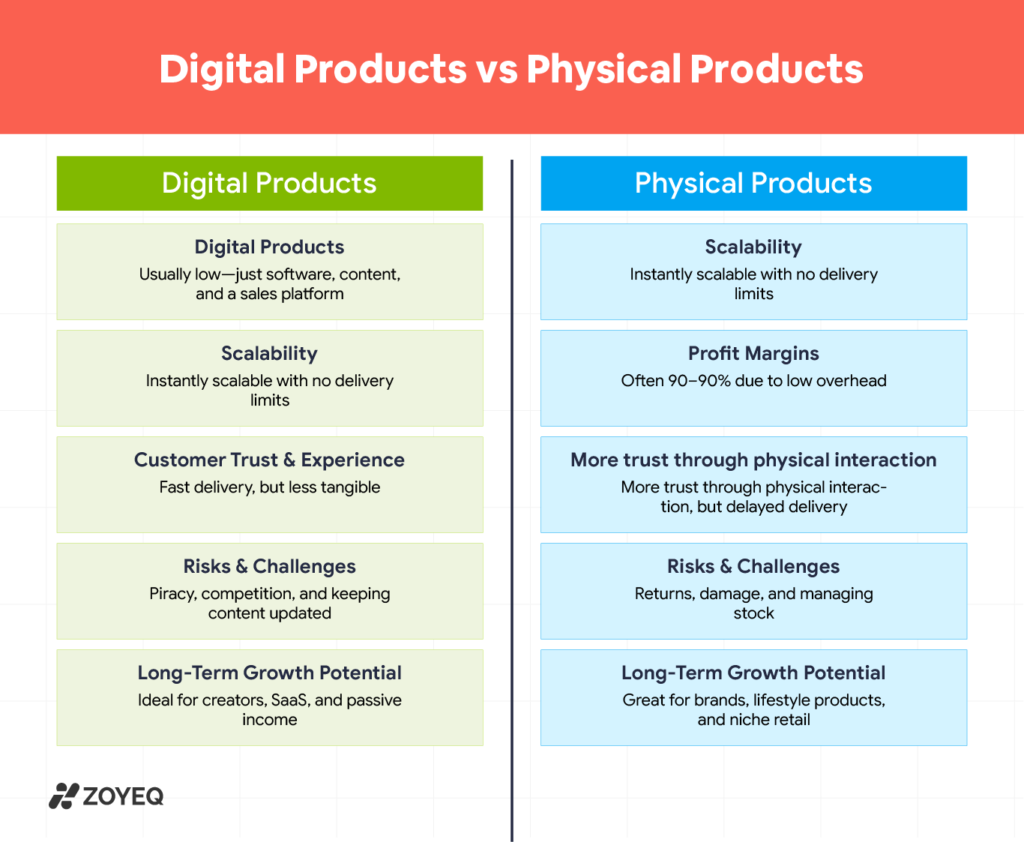
Digital Products
Digital products are items delivered electronically, such as ebooks, templates, software, or online courses.
Benefits include:
-
No inventory required
-
Instant delivery
-
High profit margins
Many entrepreneurs choose digital products because they can create them once and sell them repeatedly.
Print-on-Demand Products
Print-on-demand allows you to sell customized items such as t-shirts, mugs, or posters without holding inventory.
When a customer orders, the product is printed and shipped automatically by a fulfillment partner.
Subscription Products
Subscription models involve recurring deliveries of products, such as monthly beauty boxes, snacks, or specialty items.
Subscriptions are attractive because they create predictable recurring revenue.
How to Find Profitable Product Ideas
Finding the right product doesn’t happen by chance. Successful e-commerce sellers use several research strategies to discover opportunities.
Here are some effective ways to find profitable product ideas.
Explore Online Marketplaces
Large marketplaces like Amazon, Etsy, and eBay reveal what customers are already buying.
Look for:
-
best-selling items
-
trending categories
-
customer reviews revealing unmet needs
These insights can inspire product ideas.
Use Google Trends
Google Trends shows whether interest in a product is rising or falling over time.
If search interest is increasing, the product may be gaining popularity.
Study Social Media Trends
Platforms like TikTok, Instagram, and Pinterest often reveal emerging product trends before they appear in search engines.
Trending videos or viral products can signal growing demand.
Analyze Customer Problems
Some of the best products solve common frustrations.
Ask yourself questions like:
-
What problems do people complain about?
-
What products could make life easier?
-
What tools or accessories could improve existing products?
Products that solve real problems tend to perform well.
How to Validate a Product Idea
Once you have a potential product idea, the next step is validation.
Product validation helps confirm whether customers are actually willing to buy your product.
Keyword Research
Search engines reveal what customers are looking for.
If thousands of people search for a product each month, it indicates strong interest.
Keyword tools can help estimate search volume.
Customer Feedback
Online reviews often highlight problems that existing products fail to solve.
By studying reviews, you can identify opportunities to improve or differentiate a product.
Competitor Analysis
Look at competing products and ask:
-
What do customers like about them?
-
What complaints appear frequently?
-
How can your product improve on these weaknesses?
This approach helps you create a better offering.
Common Mistakes When Choosing Products
Many new e-commerce entrepreneurs make similar mistakes when selecting products.
Avoid these common pitfalls.
Choosing Products Based Only on Personal Interest
While passion can be helpful, it should not be the only factor in choosing a product.
A product must also have real market demand.
Ignoring Competition
Competition isn’t always bad, but excessive competition can make it difficult to gain visibility.
Look for markets where demand exists, but competition is manageable.
Selling Products With Low Margins
Low margins leave little room for marketing expenses and business growth.
Always calculate your potential profit before launching a product.

Tips for Picking Products That Practically Sell Themselves
Some products require minimal persuasion because customers already want them.
Here are characteristics of products that tend to sell easily:
-
solve a clear problem
-
appeal to passionate communities
-
They are visually appealing for social media
-
have repeat purchase potential
-
offer convenience or time savings
Products that check several of these boxes often gain traction faster.
Frequently Asked Questions
What are the best products to sell online for beginners?
Beginner-friendly products are usually lightweight, affordable, and easy to ship. Examples include accessories, small home goods, and digital products.
How do I know if a product will sell online?
Look for signs of demand such as search volume, marketplace sales rankings, and social media trends.
Is selling digital products easier than selling physical products?
Digital products often have higher profit margins and fewer logistics challenges, but they still require marketing and audience building.
How many products should a new e-commerce store launch with?
Many successful stores begin with a small number of carefully selected products and expand later based on demand.
What is the biggest mistake beginners make?
The biggest mistake is launching a store without proper product research.
Final Thoughts
Choosing the right product is the foundation of every successful e-commerce business. Instead of guessing what might sell, successful entrepreneurs use research, validation, and market insights to guide their decisions.
By focusing on products with strong demand, healthy profit margins, and clear value for customers, you can significantly increase your chances of success.
Remember that e-commerce is not just about selling products. It’s about understanding customer needs and delivering solutions that improve their lives.
When you combine thoughtful product selection with effective marketing, your online business can grow into a sustainable and profitable venture.